


Serving an injunction correctly is critical. Unlike standard court documents, injunctions often involve urgent situations, strict timelines, and serious consequences if service is done incorrectly.
This guide explains how to serve an injunction, the rules involved, and what to do in urgent or evasive cases.
What Is an Injunction
An injunction is a court order requiring someone to do something or stop doing something.
Common examples include:
Non-molestation orders
Occupation orders
Freezing injunctions
Orders preventing harassment or contact
Breaching an injunction can result in:
Arrest
Fines
Imprisonment
This is why proper service is essential.
Who Serves an Injunction
In most cases, the applicant (or their solicitor) is responsible for arranging service.
This is usually done by:
A professional process server
A court bailiff (in some cases)
Personal service is almost always required.
Personal Service of an Injunction
Personal service means:
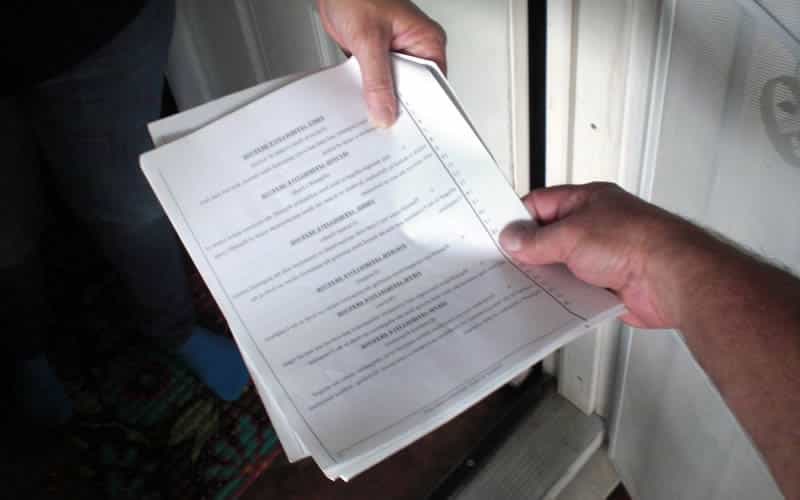
Physically handing the injunction documents to the respondent
This typically includes:
The injunction order
Supporting documents
A penal notice (warning of consequences of breach)
How it’s carried out
The process server attends the respondent’s address
Confirms identity
Hands over the documents
Explains the nature of the documents (where appropriate)
This ensures the respondent cannot later claim they were unaware.
Can an Injunction Be Served Without Notice
Yes.
In urgent cases, the court may grant an injunction “without notice” (also called ex parte).
This means:
The respondent is not informed before the order is made
Service must take place immediately after the order is granted
Speed is critical in these situations.