



Serving a statutory demand correctly is a critical step before starting insolvency proceedings. If it’s done improperly, the debtor can challenge it and your case may be delayed or dismissed.
This guide explains how to serve a statutory demand properly, what the law requires, and what to do if the debtor avoids service.
What Is a Statutory Demand
A statutory demand is a formal demand for payment of a debt. It is often used as a precursor to:
Bankruptcy proceedings (for individuals)
Winding-up petitions (for companies)
It gives the debtor 21 days to pay (or reach an agreement), failing which insolvency action can be taken.
Who Can Serve a Statutory Demand
There is no strict legal requirement for a statutory demand to be served by a professional. It can be served by:
The creditor
A solicitor
A process server
However, using a professional process server is strongly recommended, especially if you may rely on the demand in court.
Methods of Serving a Statutory Demand
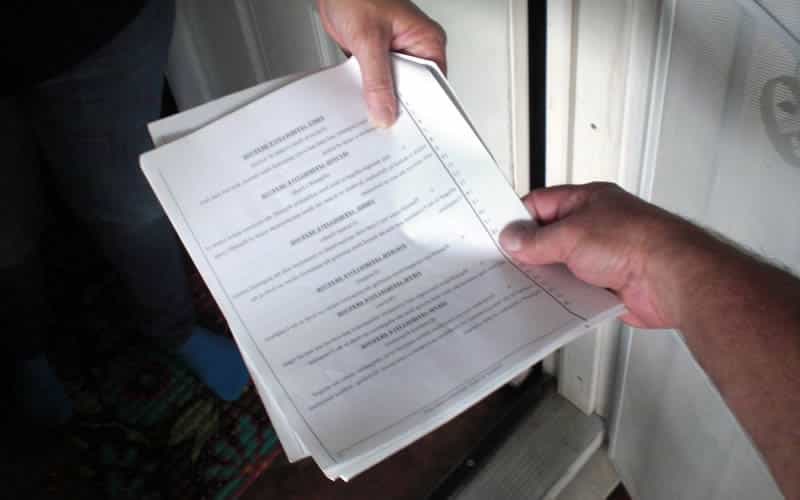
Personal Service. This is the most reliable method.
The demand is physically handed to the debtor
Service is usually carried out at their home or place of work
A certificate or statement of service is completed
What Happens After Service
Once served:
The debtor has 21 days to:
Pay the debt
Reach a settlement
Apply to set aside the demand (individuals only)
If they fail to act:
You may proceed with bankruptcy or winding-up action
Common Mistakes to Avoid
Serving at the wrong address
Failing to identify the correct individual
Relying solely on post
Not keeping proper records
Delays after service
Any of these can weaken your position significantly.
Serving a statutory demand correctly can make the difference between successful recovery and costly delays.
We provide professional process serving across England & Wales, including:
Personal service
Urgent and same-day attendance
Evasive debtor handling
Detailed statements of service