
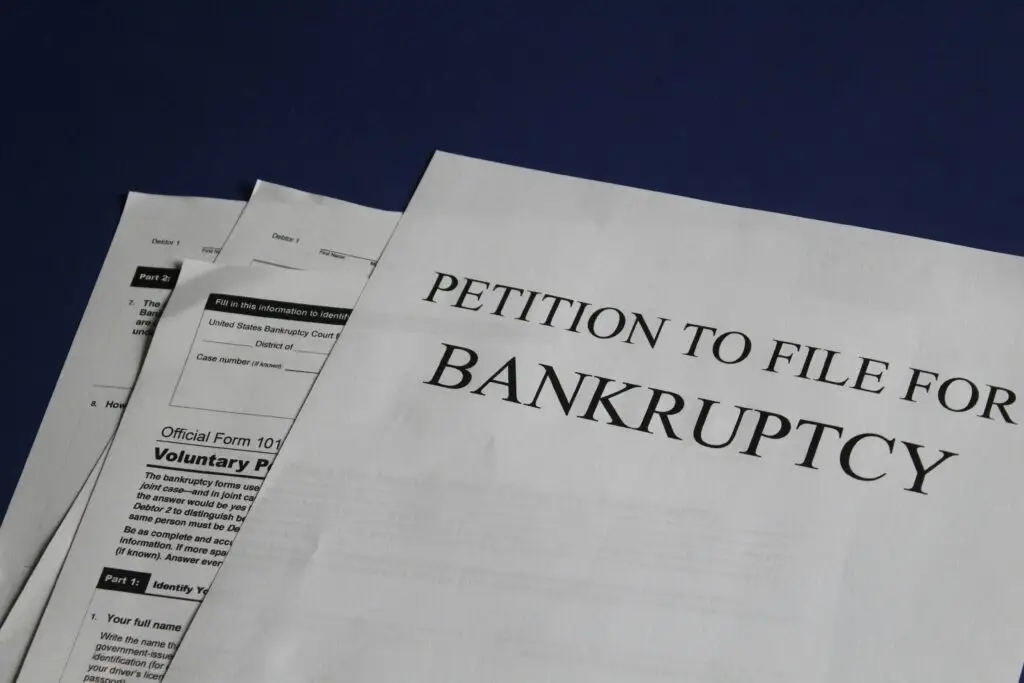

A money claim is a court claim issued to recover a debt. This typically involves unpaid invoices, loans or agreements or even breach of contract.
Most claims are issued through the County Court, including via Money Claim Online (MCOL).
Who Is Responsible for Serving the Claim
In many cases, the court will serve the claim form for you. However, you may need to arrange service yourself if:
The court is unable to serve the defendant
You choose to serve the claim personally
There are concerns the defendant may avoid service
The claim is being re-served
In these situations, proper service becomes your responsibility.
Methods of Serving a Money Claim
Service by the Court
If you issue your claim through the court, the court usually sends the claim form by post. Service is deemed effective after a set period
However, this method, provides limited proof of receipt and can be challenged if the defendant denies receiving it.
Personal Service
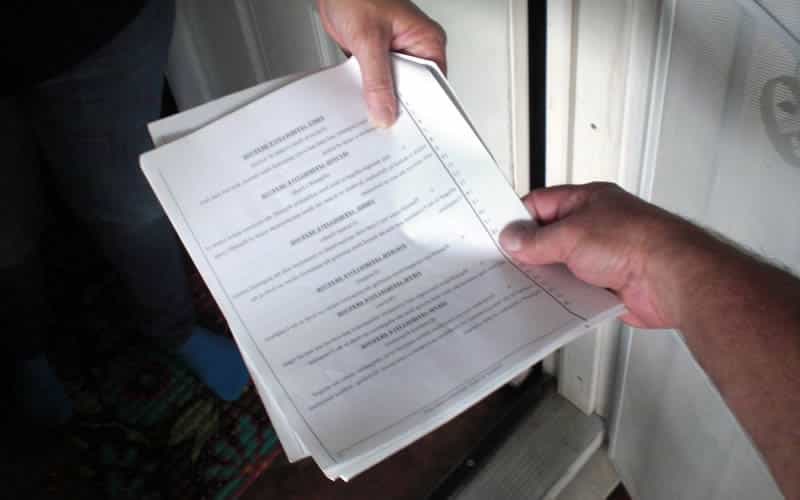
Personal service involves physically handing the claim form to the defendant.
This is often used when, the defendant is likely to dispute service, the claim is high value or previous attempts have failed
Benefits:
- Strong evidence of service
- Reduces risk of challenge
- Preferred in contested matters
A professional process server will provide a statement of service as evidence.
Common Mistakes to Avoid
Serving at an outdated or incorrect address
Using the wrong method of service
Missing the service deadline
Failing to keep proper evidence
Relying solely on post in contested cases
Do You Need a Process Server?
While not always required, using a professional process server is advisable where:
The claim is high value
The defendant is evasive
Previous service attempts have failed
You want strong, court-ready evidence
This reduces risk and helps avoid delays in enforcement.