
A non-molestation order is a family court order designed to protect someone, and in some cases a relevant child, from abuse, threats, harassment, intimidation, or unwanted contact.
It is commonly used in domestic abuse cases where urgent legal protection may be needed. Under the Family Law Act 1996, the court can make a non-molestation order to prohibit certain behaviour, and breach of the order without reasonable excuse is a criminal offence.
For solicitors, support staff, and private applicants, understanding how a non-molestation order works is only part of the picture. It is also important to understand how the order is served, because the respondent must usually be made aware of the order properly before it can be enforced in practice. This is one reason process serving is often used for sensitive family law matters.
What is a non-molestation order?
A non-molestation order is intended to protect a person from harmful behaviour by someone they are associated with, such as a spouse, former partner, family member, or another connected person under family law rules. The order can prohibit a range of conduct depending on the circumstances of the case. For example, it may restrict threats, harassment, violence, intimidation, or direct and indirect contact. The official FL401 guidance says the order protects the applicant and any relevant child from abuse or harassment and can also stop someone from coming within a certain distance of the home.
Every order is case-specific. Some refer to molestation in general, while others set out particular acts that are prohibited.
When is a non-molestation order used?
A non-molestation order is typically used where there are allegations or risks of domestic abuse, harassment, threats, coercive behaviour, or intimidation. It may be sought on an urgent basis where immediate protection is needed.
These orders often arise alongside wider family law proceedings or related protective steps. For example, they may sit alongside an occupation order or appear in a broader case involving children or separation.

Why proper service matters
In any legal matter, service is about making sure court documents are delivered correctly and with evidence. In family law cases, this becomes even more important because the documents are sensitive, time-critical, and can have serious legal consequences.
Where a non-molestation order has been made, there needs to be a clear and reliable method of getting the order and supporting documents to the respondent. If service is disputed, delayed, or poorly evidenced, it can create problems for enforcement and for the wider progress of the case.
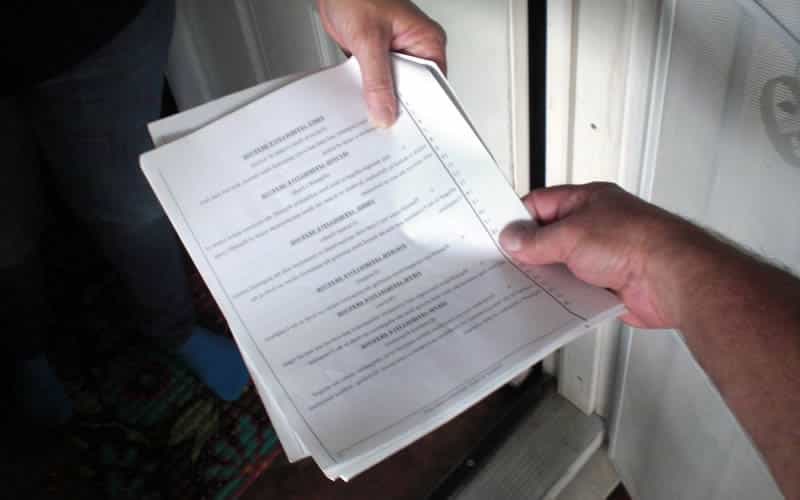
That is why many firms and private clients use a professional process server for these documents. A process server can provide a clear record of what was served, when it was served, where service took place, and what happened at the address.

How is a non-molestation order served?
The exact service requirements will depend on the court order, the circumstances of the case, and any directions that have been made. In practice, these matters often require personal service or another clearly evidenced form of service so there is little room for dispute.
A professional process server will usually:
- receive the order and supporting papers
- review any urgency or deadline requirements
- attend the respondent’s address
- complete service in line with the instructions and court requirements
- produce evidence of service or a statement setting out what happened
Because non-molestation orders are often urgent and sensitive, legal teams usually want service carried out quickly and carefully.
Why many firms use process servers for family law documents
Family law documents require more than simple delivery. The person serving them needs to understand urgency, discretion, evidence, and the importance of accurate reporting. A non-molestation order is not the kind of document most firms want to leave to chance.
Using a process server can help with:
- faster attendance where time is critical
- clear evidence of service
- reduced administrative burden on legal teams
- better visibility of progress
- a more professional and compliant approach in sensitive cases