


Serving a tenant notice correctly is essential when dealing with residential tenancies. If the notice is not served in line with legal requirements, it can be deemed invalid, causing delays and potentially forcing you to restart the process.
This guide explains how to serve a tenant notice, the different types of notices, and the safest methods to ensure valid service.
What Is a Tenant Notice
A tenant notice is a formal document served on a tenant, usually by a landlord or agent, to:
End a tenancy
Address rent arrears
Deal with breaches of tenancy agreements
The most common notices include:
Section 21 Notice (no-fault possession)
Section 8 Notice (breach of tenancy, e.g. rent arrears)
Who Can Serve a Tenant Notice
A tenant notice can be served by:
The landlord
A letting agent
A professional process server
While not mandatory, using a process server ensures:
Proof of service
Reduced risk of disputes
Compliance with legal requirements
Methods of Serving a Tenant Notice
The correct method depends on the tenancy agreement and the circumstances. You should check what service method is allowed under the tenancy agreement.
1. Personal Service
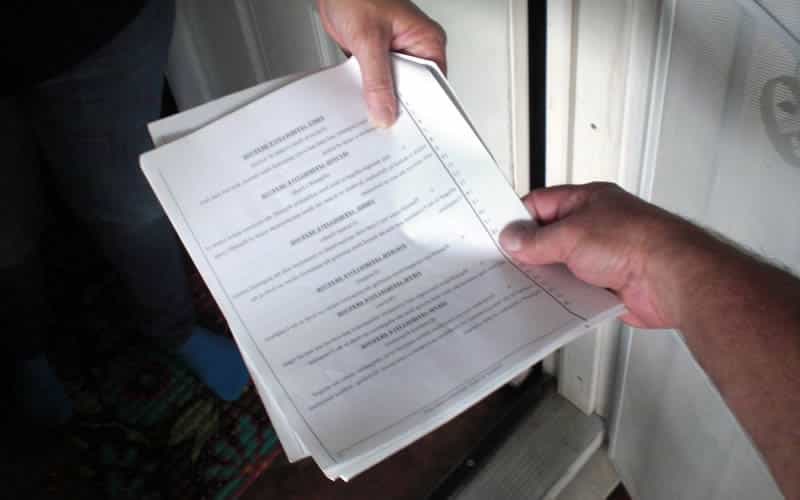
This involves handing the notice directly to the tenant.
Benefits:
Strong evidence of service
Reduces risk of dispute
Immediate confirmation of delivery
This is particularly useful in contested or high-risk cases.
2. Posting Through the Letterbox
A common and accepted method:
The notice is delivered to the tenant’s address
Usually posted through the letterbox
Often used with:
Witness evidence
Photographic proof
3. Service by Post
You can send the notice by:
First class post
Recorded delivery (less reliable if refused)
Risk:
Tenant may deny receiving it
Delivery may be delayed
4. Email (Only if Allowed)
Some tenancy agreements allow service by email.
This must be:
Clearly stated in the agreement
Used correctly (right email address)
Common Mistakes to Avoid
Serving at the wrong address
Using an incorrect notice form
Not giving the correct notice period
Failing to follow the tenancy agreement
Relying on weak proof of service
What Happens After Service
After serving the notice:
The tenant is given a specific notice period
If they do not comply, you may:
Apply for a possession order
Begin court proceedings
Incorrect service can delay this process significantly.
Need Help Serving a Tenant Notice
Serving a tenant notice correctly is essential to avoid delays and protect your position.
We provide professional tenant notice service across England & Wales, including:
Personal service
Letterbox service with evidence
Same-day and urgent attendance
Detailed statements of service
Request service today or send your documents for a fixed-fee quote